
How it works
How is a foundation removed and the lot left for the next build?
- foundation removal
- residential demolition
- backfill
Published
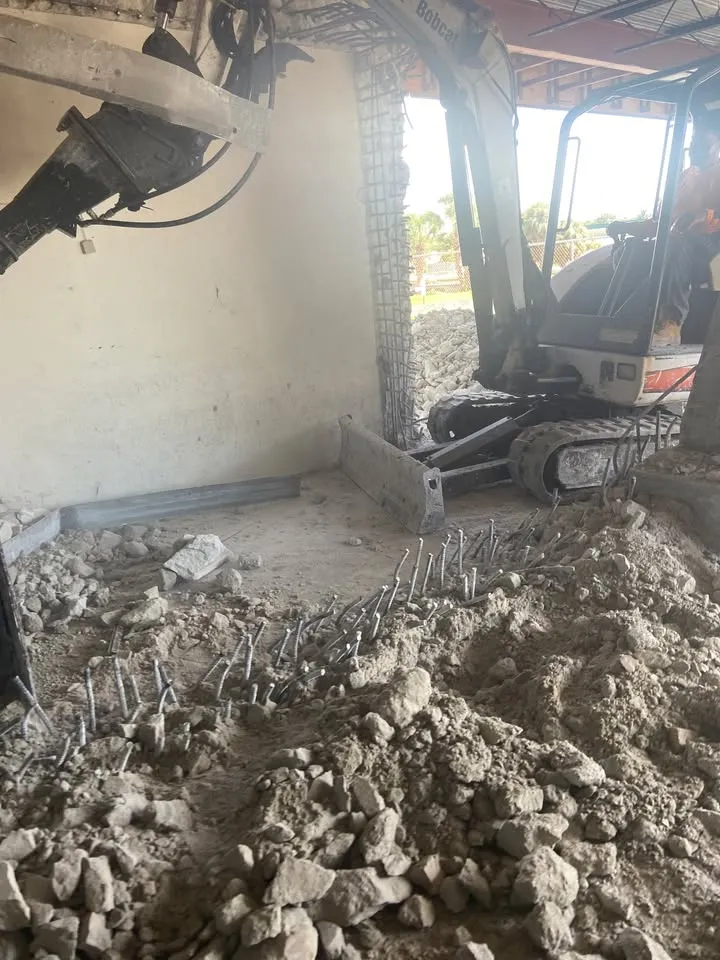
A foundation is removed by breaking the walls and footings with an excavator and breaker, pulling the pieces out, and separating clean concrete for recycling. The lot is then backfilled and compacted, or left as an open excavation, depending on what the next builder needs.
The right finish depends on your builder's plans, so agree on it before the house comes down.
Deciding what the next build needs
Before the foundation comes out, the builder or designer should say how they want the lot left. Some want a full open excavation ready for new footings. Others want the hole backfilled and compacted so they can dig fresh. Some keep parts of the old foundation. This decision changes the whole job.
Breaking out walls and footings
Foundation walls are usually pushed in toward the basement or broken in place, then the footings are broken and lifted out. The general order is:
- Remove the basement slab
- Break and pull the foundation walls
- Break and lift out the footings
- Remove weeping tile, old drains and buried debris
Services and locates
Before digging, underground locates are requested through Ontario One Call. The old sewer and water connections have to be capped at the property line to the City's standards, and that's part of the disconnection process for the demolition permit.
Backfill or open hole
If the lot is being backfilled, clean fill is placed in layers and compacted so it doesn't settle under the next build. If it's being left open, the edges are sloped or protected and the site is fenced, since an open excavation is a hazard.
Soil leaving the site may fall under Ontario's excess soil regulation, O. Reg. 406/19, which sets rules for where it can go and what records are kept.
What the next builder sees
A good handover means the builder can start without clearing anything first: no buried debris, no old footings in the way and a grade that matches what they asked for. Walk the lot with your builder before the demolition crew leaves.
Things that turn up underground
Older lots in Vaughan often hide something that isn't on any drawing. When a foundation comes out, the crew watches for:
- Old footings under porches, garages and past additions
- Buried construction debris from earlier renovations
- Old weeping tile, dry wells and drain lines
- Abandoned oil tanks or cisterns
- Tree roots from removed trees that will rot and settle
Protecting neighbouring properties
A foundation close to a property line needs extra care. Digging next to a neighbour's foundation, fence or driveway can undermine it if the excavation is too steep or left open in wet weather. On tight lots, the edges may need to be sloped back, benched or shored, and your builder or an engineer should confirm what's needed. Photos of neighbouring walls and fences before work starts are a good record for everyone.
Groundwater and wet weather
Some lots in Vaughan sit on clay that holds water, and a basement excavation can fill after heavy rain. Water in the hole softens the base and makes compaction harder, so it's pumped out before backfill, and backfill isn't placed on saturated or frozen ground. If the builder is leaving the excavation open, they should plan for pumping. It's one more reason to agree the handover and timing with the builder before the house comes down.
What we do about it
We plan foundation removal as part of every residential demolition where it's in scope, with the concrete handled like any concrete removal job. The finish is written into the scope so there's no guesswork. Book your free estimate.
Frequently asked questions
- Does the foundation always have to come out?
- No. It depends on the new design. Some builds reuse parts of the old foundation.
- Who caps the old sewer and water lines?
- It's part of the disconnection process for the permit, following the City of Vaughan's standards.
- What is clean fill?
- Soil or granular material without debris, organics or contamination, suitable for compacting.
- Is an open excavation safe to leave?
- Only if it's fenced and the edges are protected. Talk to your builder about how long it will stay open.