
How it works
Foundation Removal: Leaving the Lot Ready for the Next Build
- foundation removal
- residential demolition
- rebuild
Published
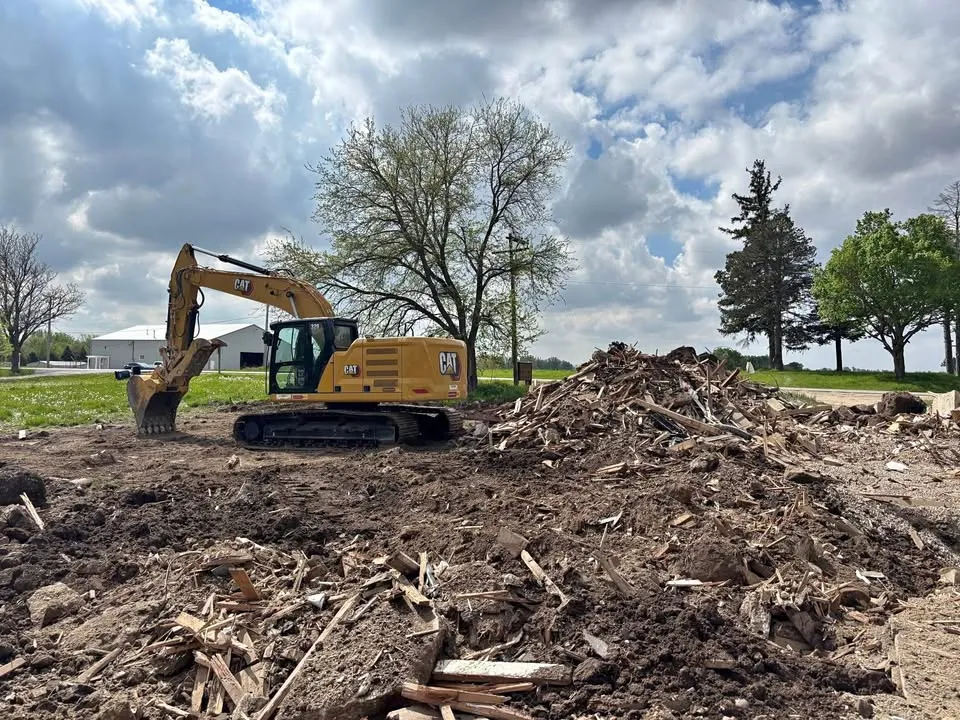
The house is gone, the debris is gone, and there's a hole where the basement used to be. For a lot of owners, that feels like the finish line. For your builder, it's the starting line, and what they find in that hole makes a real difference.
Foundation removal is the part of a teardown that's easiest to rush and hardest to fix later. Here's what a good one looks like.
Start with what the builder wants
Before the house even comes down, ask your builder how they want the lot left. You'll usually hear one of three answers:
- Open excavation, walls and footings out, ready for new footings
- Backfilled and compacted, so they can dig fresh to their own layout
- Partial removal, keeping some of the old foundation
Getting the concrete out
Foundation walls are usually broken and pulled in toward the basement, then the footings are broken and lifted out. The basement slab comes out first so the machine can get at everything else. A breaker does most of the work on thick footings.
Clean concrete's kept separate so it can go for crushing. It's the same approach as any concrete removal job.
What gets missed
These are the things that turn up when the builder starts digging:
- Old footings left under a porch or garage
- Buried debris from past renovations
- Weeping tile and old drains
- A cistern or old oil tank nobody knew about
Services at the property line
The old sewer and water connections have to be capped to the City's standards, and that's tied to the demolition permit. Underground locates through Ontario One Call come before any digging.
Backfill done right
If the lot's being backfilled, clean fill goes in layers and each one's compacted. Dumping it in all at once and running a machine over the top is how you get settlement later. And if soil's leaving the site, Ontario's excess soil regulation, O. Reg. 406/19, may apply.
When it makes sense to bring in a professional
If your lot is tight, has a high water table, sits near a ravine or has neighbours close to the property line, get the demolition contractor and your builder talking early. An excavation next to a neighbour's foundation can need shoring. It's something a residential demolition contractor will spot at the site visit.
Why the handover matters so much
Think about it from your builder's side. They've quoted footings, forming and a schedule based on a clear, open lot. If they dig and find an old footing, a pile of buried brick or soft backfill, they have to stop, remove it and re-plan. That's time nobody budgeted for.
A good handover reduces that risk by recording what was removed, what was inspected and what remains outside the assessed scope. Identify known retained items and unresolved ground conditions so the builder can plan further checks before excavation.
Questions to ask before the machine arrives
It's worth asking your demolition contractor:
- Will all footings come out, including under porches and garages?
- How will the excavation be left, open or backfilled?
- If backfilled, what fill will be used and how will it be compacted?
- Where will soil go if it leaves the site?
- How will neighbouring fences and foundations be protected?
Timing with your builder
If you're not sure which to choose, ask your builder which saves them more time. They're the ones who'll be standing in that hole next.
The gap between the demolition crew leaving and the builder starting matters too. An open excavation that sits for weeks collects water, the edges can slump, and the fencing needs looking after. If there's going to be a wait, it can be better to backfill and let the builder dig fresh. If the builder's ready to go, leaving it open saves them a step. Either way, agree the timing up front so the lot's left in the right state for how long it'll sit.
The handover
The best test is simple: walk the lot with your builder before the demolition crew leaves. If they're happy, you're done. If you're planning a teardown and rebuild anywhere in Vaughan, Steelpoint Demolition Vaughan can plan the foundation into the scope from day one. Book a free estimate, and have a look at our site clearing page if trees or outbuildings are part of the job too.
Frequently asked questions
- Should the foundation come out with the house?
- It depends on your builder's plans. Ask before the house comes down.
- What if an old oil tank is found?
- Work stops around it, and it's removed following Ontario's requirements for fuel tanks.
- Is backfill always needed?
- No. Some builders want the excavation left open for new footings.
- Who checks the lot at the end?
- Ideally, the owner and builder walk it together with the demolition contractor.
- Can the old foundation be reused?
- Sometimes. That's a decision for your designer and engineer.