
Ground and access
Industrial yard pavement removal: identify the layers in scope
- Ground and access
Published
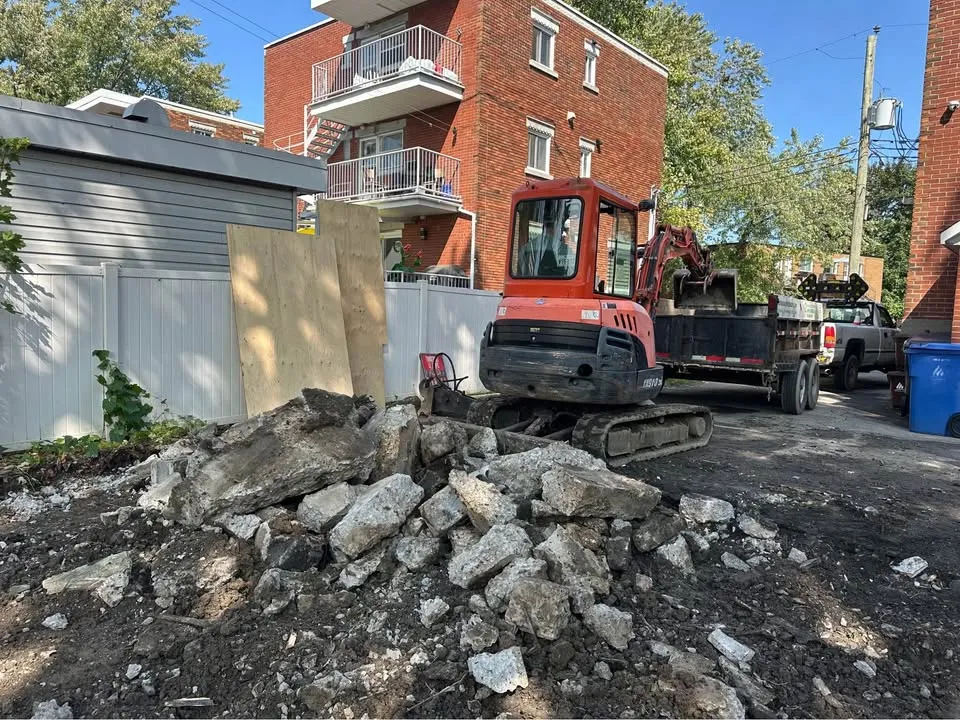
A yard may have been resurfaced several times. Before requesting pavement removal, distinguish the visible surface from underlying layers and from any concrete features that need separate assessment.
Describe known construction and unknowns
Provide available paving records, prior investigation results or drawings. Mark areas believed to differ, such as former loading positions or repaired patches. Do not convert a rough surface measurement into an assumed thickness for the whole yard.
Choose a scope boundary with the next contractor
Ask the paving or site contractor to define what should remain for the next phase. Removal to an existing layer and preparation for a new pavement are different tasks. If underlying conditions are unknown, agree how a discovery changes the scope rather than promising one uniform removal depth.
- Distinguish asphalt, concrete and unknown areas.
- Identify structures or services shown below the yard.
- State who defines the next construction interface.
Define the next decision
Steelpoint can assess the concrete-removal and clearing elements supported by the site information. Describe any other pavement work separately for confirmation. The enquiry should not assume specialist testing, environmental classification or final subgrade preparation is included.