
Ground and access
Choosing a demolition material laydown area: assess the surface first
- Ground and access
Published
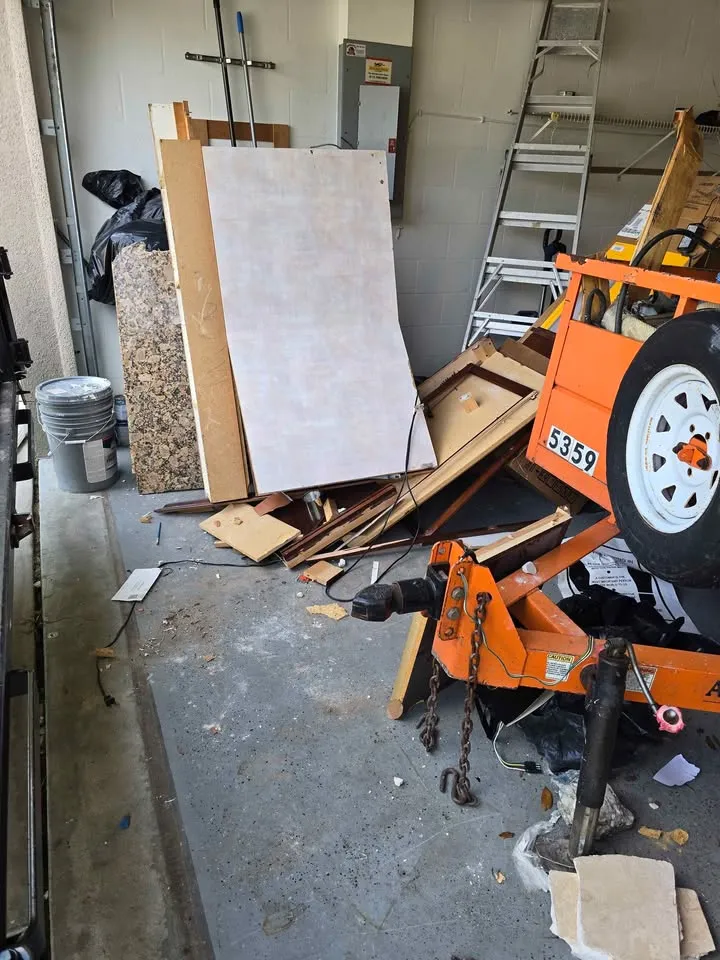
An empty area is not automatically suitable for collecting demolition material. Before suggesting a laydown position, identify what is beneath the surface and what must remain accessible around it.
Show the proposed position in the site plan
Mark known basements, chambers, services and retained surfaces. Identify the route between the work area, laydown area and collection point. Do not assign a stockpile height or load capacity based on appearance; those decisions belong in the site-specific work planning.
Keep collection access part of the decision
A position that suits removal from the building may obstruct collection or another trade. Ask the project team to review both movements together. If several contractors use the area, identify who controls changes to its use.
- Mark load-sensitive or unassessed surfaces.
- Show retained access routes.
- Identify who approves the final laydown position.
Define the next decision
Include a proposed position as a question in the debris-removal enquiry, not a fixed instruction. Steelpoint can assess the material-handling scope and site constraints. This guide does not certify a surface or prescribe how demolition material should be stacked.