
Ground and access
Unknown underground voids in a proposed demolition working area
- Ground and access
Published
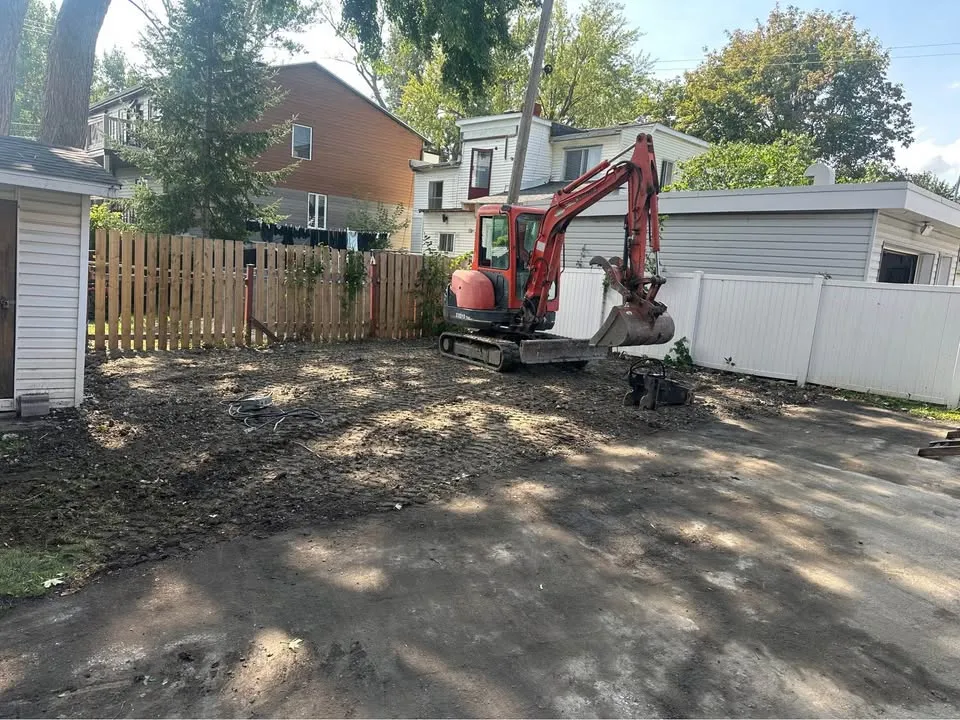
An apparently open yard can contain a former cellar, chamber or other below-ground feature. If records or visible covers suggest a void, identify it before proposing that area for equipment or material storage.
Use records without treating them as a capacity statement
Mark the feature's reported location and the source of the information. Identify whether its extent and present condition are known. Do not enter, open or test an unidentified space to answer an estimate question.
Keep the area out of assumptions
Ask the appropriate project professional what assessment is required before the area can be used. The access plan should show the unresolved zone rather than drawing a vehicle route across it. A paved surface does not confirm what lies underneath.
- Provide any old basement or site-service plans.
- Mark covers and reported void locations.
- Identify the person responsible for the investigation decision.
Define the next decision
Tell Steelpoint about the uncertainty in the first site-clearing or demolition enquiry. This may affect where an assessment can be carried out and what access is feasible. The guide does not imply that void investigation or structural certification is included in clearing work.