
Commercial coordination
Former process trenches in industrial floors: define the strip-out limit
- Commercial coordination
Published
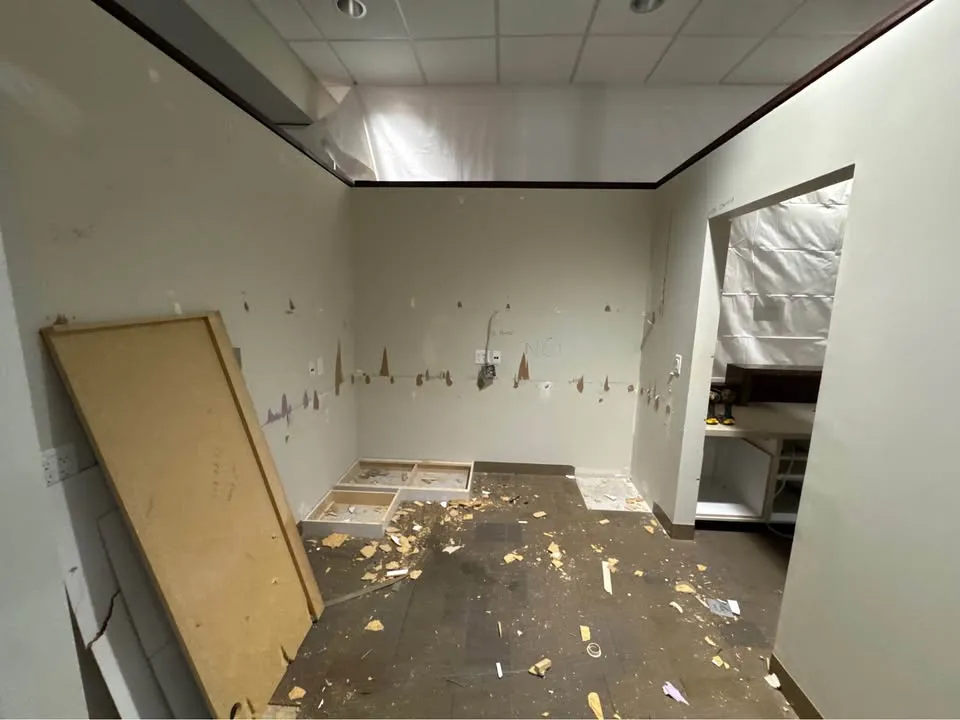
Industrial interiors can retain floor trenches or channels after production equipment has gone. An empty room does not settle whether those features are to remain, be assessed or become part of a separate floor project.
Use the former process layout carefully
Provide any available plan showing equipment and trench locations, with its date. Identify whether the present layout differs. Do not describe unknown channels as ordinary drainage or assume they are disconnected because the production line is no longer operating.
Distinguish surface clearance from below-floor work
The strip-out scope should state whether it stops at the existing floor surface. Any proposed work into a trench needs its own description, assessment and responsible parties. Keep environmental questions and structural questions visible rather than folding them into a general cleanup allowance.
- Mark visible covers and known trench routes.
- Record the floor areas intended to remain untouched.
- Identify the owner's adviser for uncertain former uses.
What to resolve before scheduling
Send the trench information before requesting a commercial strip-out assessment. A clear surface-only boundary can allow that part of the enquiry to progress while other questions are resolved. Steelpoint does not infer specialist remediation from a request to clear an industrial unit.