
Commercial coordination
Vacant industrial building or decommissioned site: know the difference
- Commercial coordination
Published
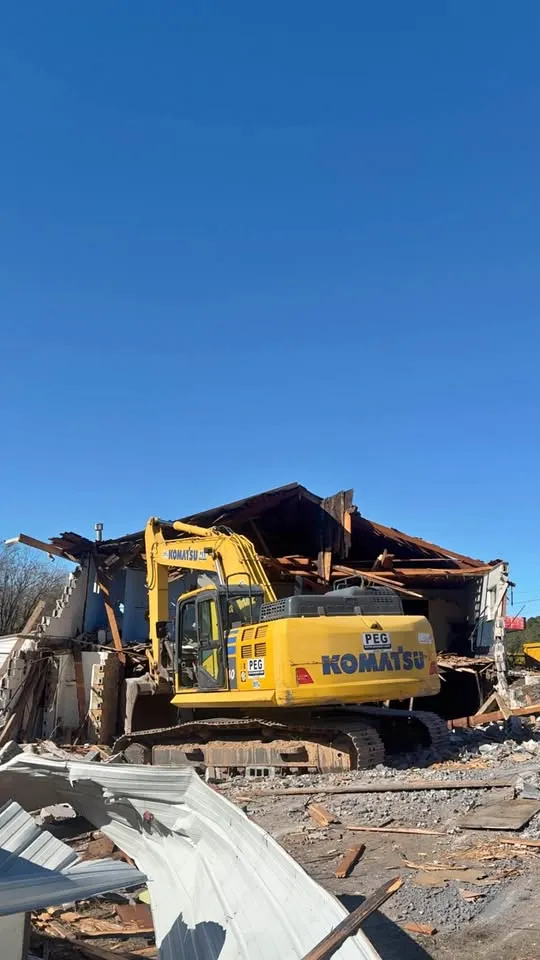
A building being vacant tells a demolition contractor that regular occupants may have left. It does not establish the status of equipment, services or former industrial processes. Keep vacancy and decommissioning evidence separate.
Collect records by system
Ask the owner for available disconnection, equipment-removal and specialist assessment records. Identify the system each document addresses and its date. A single closure letter should not be described as clearance for unrelated parts of the property.
Make missing evidence visible
List systems with no current confirmation and name who is resolving each one. Do not substitute an assurance that the building has been unused for years. This helps distinguish a scope-assessment visit from readiness to begin demolition.
- Identify the last known use without guessing hidden conditions.
- Link each record to a system or location.
- Record outstanding confirmations alongside the proposed removal.
What to resolve before scheduling
Steelpoint can discuss the building scope while the owner assembles the remaining evidence. Scheduling should reflect the actual prerequisites, not simply the vacancy date. A demolition enquiry does not include certification that an industrial site has been decommissioned.