
Ground and access
Old footings beneath a proposed new foundation: resolve the conflict
- Ground and access
Published
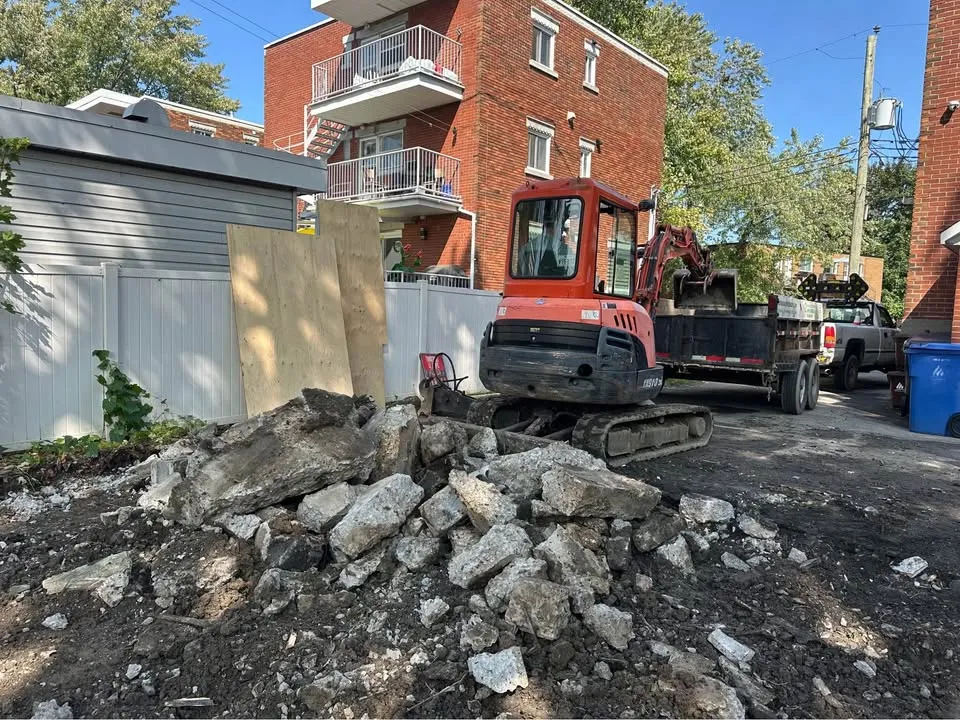
Where a new foundation layout overlaps old footings, the demolition decision needs input from the next design and construction team. A general instruction to remove concrete may not describe the extent required for their work.
Locate the conflict on the proposed plan
Overlay known old footing locations with the new foundation layout, keeping uncertain information clearly labelled. Ask the new project's designer to identify the elements that conflict and the information still needed. Do not infer a required removal depth from the new floor plan alone.
Agree who accepts the resulting condition
Name the person who confirms the removal boundary and records what remains. If a footing extends into retained construction or beyond the assessed area, that needs a specific decision. The removal contractor should not be left to infer the next foundation design.
- Use the current proposed foundation revision.
- Identify known and uncertain old concrete separately.
- Record the agreed retained elements and acceptance contact.
Bring this decision to the site assessment
Provide that direction with the concrete-removal enquiry. Steelpoint can assess the defined work and flag site constraints. The purpose is to resolve a particular footing conflict, not to promise that every underground obstruction will be found or that the ground is construction-ready.