
Structural assessment
Unexpected buried foundations: define a decision process in advance
- Structural assessment
Published
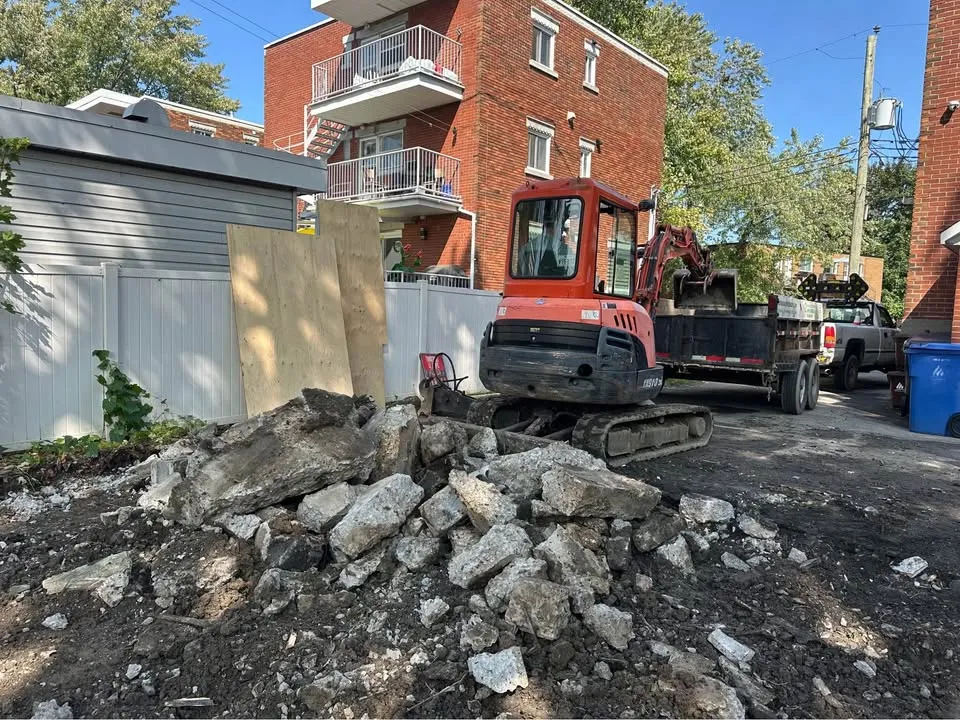
An old site plan may show the current building but omit earlier foundations. Before work starts, agree how an unexpected buried concrete element would be assessed, authorised and recorded if it changes the planned scope.
Distinguish discovery from permission to remove
The fact that an element is exposed does not establish its purpose, ownership or connection to retained work. Ask the project team to define who assesses an unidentified element and who can approve a change. Keep removal decisions separate from the initial notification.
Prepare a useful change record
A record should locate the discovery, describe what is visible and identify the work affected. It should also show whether the next contractor needs information before the element is altered. Avoid turning an uncertain discovery into a confident description such as redundant footing.
- Name the owner's decision contact.
- Identify the designer to consult about connected structures.
- Record the approved scope change before resuming affected work.
The decision to carry into your enquiry
Include this decision process in your concrete-removal discussion if records are incomplete. It allows the original scope to remain clear while unexpected work is reviewed. Steelpoint cannot promise that every buried element is suitable for immediate removal.