
Ground and access
Removing curbs while retaining the surrounding drainage arrangement
- Ground and access
Published
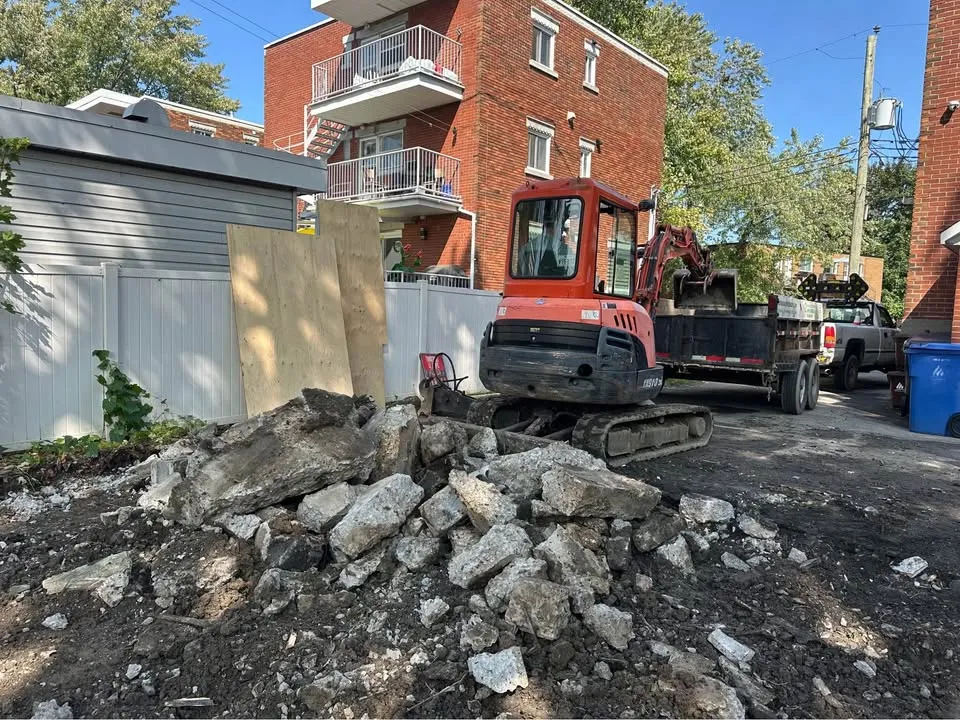
A curb may separate traffic areas, landscape beds and the route water follows across a site. If only part is removed, describe the intended site arrangement before treating it as a simple length of concrete.
Mark the curb in its surroundings
Show nearby catch basins, doors, walkways and retained pavement on a plan. Provide the grading drawing if one exists. A visual impression that the surface is flat is not a substitute for the design information needed to understand drainage.
Assign the replacement or interim condition
Ask the site designer or responsible contractor what should remain after removal. If new drainage or paving work follows later, establish who manages the interim condition. Keep that work separate from the physical curb removal unless it is expressly included.
- Mark exactly which curb segments come out.
- Identify adjacent features that remain.
- Name the party responsible for drainage decisions.
Define the next decision
Send the marked extent to Steelpoint with the concrete-removal enquiry. The aim is to agree a removal boundary compatible with the retained site. This guide does not prescribe slopes or establish that a proposed alteration needs no municipal approval.