
Structural assessment
Damaged buildings: separate assessment access from demolition scope
- Structural assessment
Published
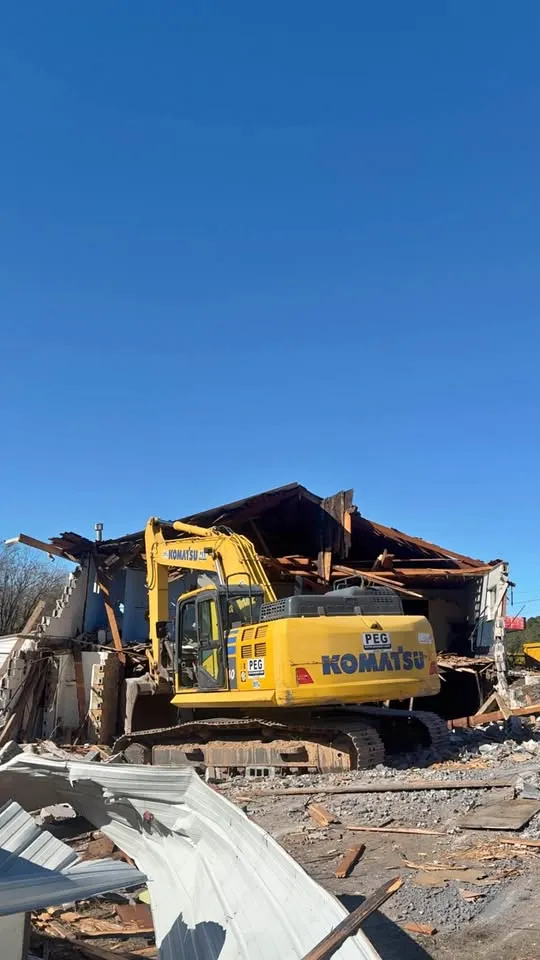
After damage, an owner may need to decide whether part or all of a building should be removed. Begin with the available professional assessment and restrictions on access, rather than entering the property to collect a better set of quote photographs.
Provide the existing directions first
Share relevant notices, engineering reports and access restrictions with the assessment team. Identify their dates and whether the reported condition has changed. Insurance descriptions and repair estimates can provide context, but they do not by themselves establish a safe demolition method.
Define the requested decision
Explain whether you need an assessment of proposed removal, a scope based on an existing engineering direction or coordination with a restoration team. Make retained areas and unresolved structural questions visible. Do not assume damage automatically means the entire building is to be demolished.
- Identify the professional controlling access decisions.
- Supply the latest applicable report or notice.
- Distinguish proposed removal from authorised scope.
What to resolve before scheduling
Contact emergency services for an immediate danger. Steelpoint's ordinary assessment process is not an emergency-response promise or a structural clearance. Once access and the professional direction are established, we can discuss whether the proposed demolition falls within the agreed scope.