
Structural assessment
Several buildings, different readiness dates: organise the demolition programme
- Structural assessment
Published
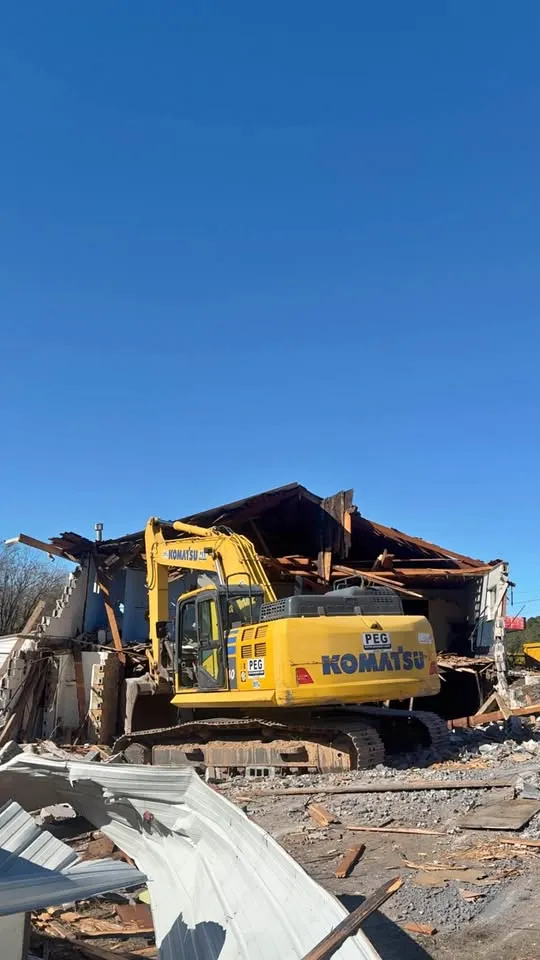
On a site with several buildings, one delayed prerequisite need not obscure the status of every structure. Use a building-by-building readiness record before asking for a single start date for the whole property.
Keep status tied to a building identifier
For each building, record scope approval, access, relevant permits and outstanding specialist work. Identify services or access routes shared with buildings that remain. A green status for one structure should not be copied across the site merely because the owner and contractor are the same.
Separate independent work from dependencies
Ask the project team which buildings can genuinely be considered independently. Shared services, structures or haul routes may link otherwise separate work. Record those relationships before discussing the order of assessment or mobilisation.
- Use the same building labels on plans and status records.
- Name the owner of each outstanding action.
- Show dependencies between buildings explicitly.
What to resolve before scheduling
Send the readiness record with the requested programme. Steelpoint can discuss a practical scope and sequence once the dependencies are understood. The record supports scheduling conversations; it does not authorise work on a building whose prerequisites remain open.
Record repeat visits and interior phases
An illustrative readiness record can list Building A: initial assessment complete, return visit after service information is confirmed; Building B: ordinary office removal being reviewed separately from the retained warehouse; Building C: scope not yet authorised. Name the purpose and prerequisite for each return rather than treating an earlier visit as blanket clearance. Interior phases also need their own receiving condition and commercial handover contact.