
Commercial coordination
Warehouse racking or building structure: separate the removal lists
- Commercial coordination
Published
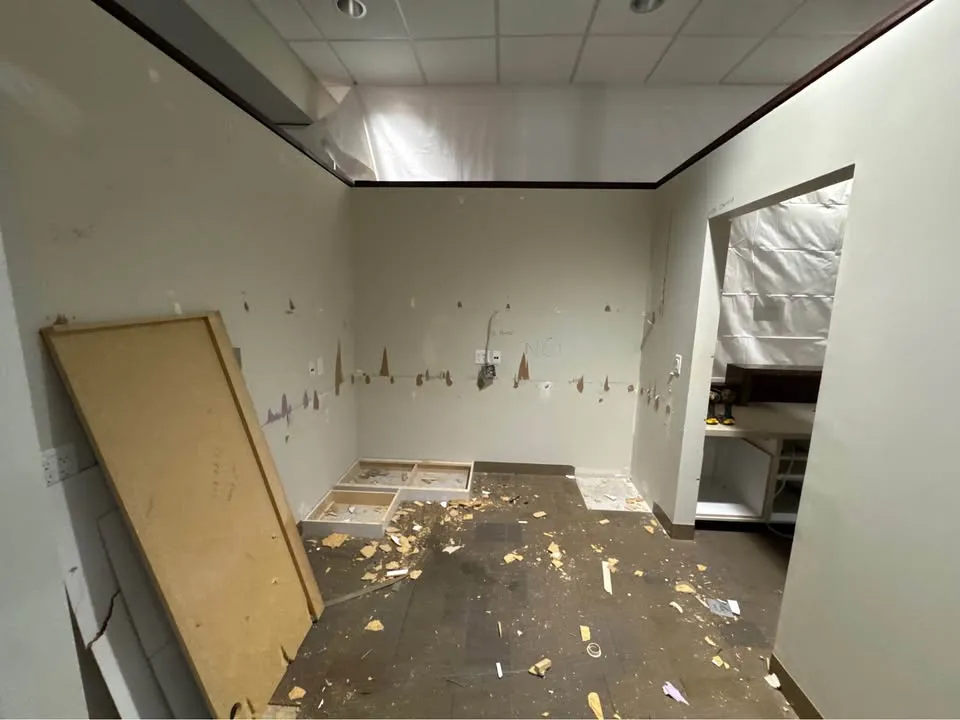
A warehouse clearance can combine stored goods, racking and building alterations in one request. Break those into separate lists before asking for demolition, especially when the warehouse will remain in use.
Identify the asset owner and intended destination
The tenant, landlord or an equipment supplier may control different items. Mark whether racks are being recovered, disposed of or left for a future occupant. Keep goods stored on the racks out of the demolition scope unless their handling is separately agreed.
Resolve building connections
Give the project team any installation records showing how the system relates to the floor or building. Do not assume a freestanding appearance means every connection is non-structural. If removal leaves floor repairs or openings, assign the intended finished condition to the appropriate scope.
- List stored stock separately from racks.
- Name the recovery contractor for retained assets.
- Identify alterations to the building as a separate item.
What to resolve before scheduling
Steelpoint can discuss commercial strip-out after the asset and building boundaries are clear. Specialist dismantling, recovery and storage should not be assumed included. The practical output is a removal list that no longer uses warehouse clearance to mean several incompatible tasks.